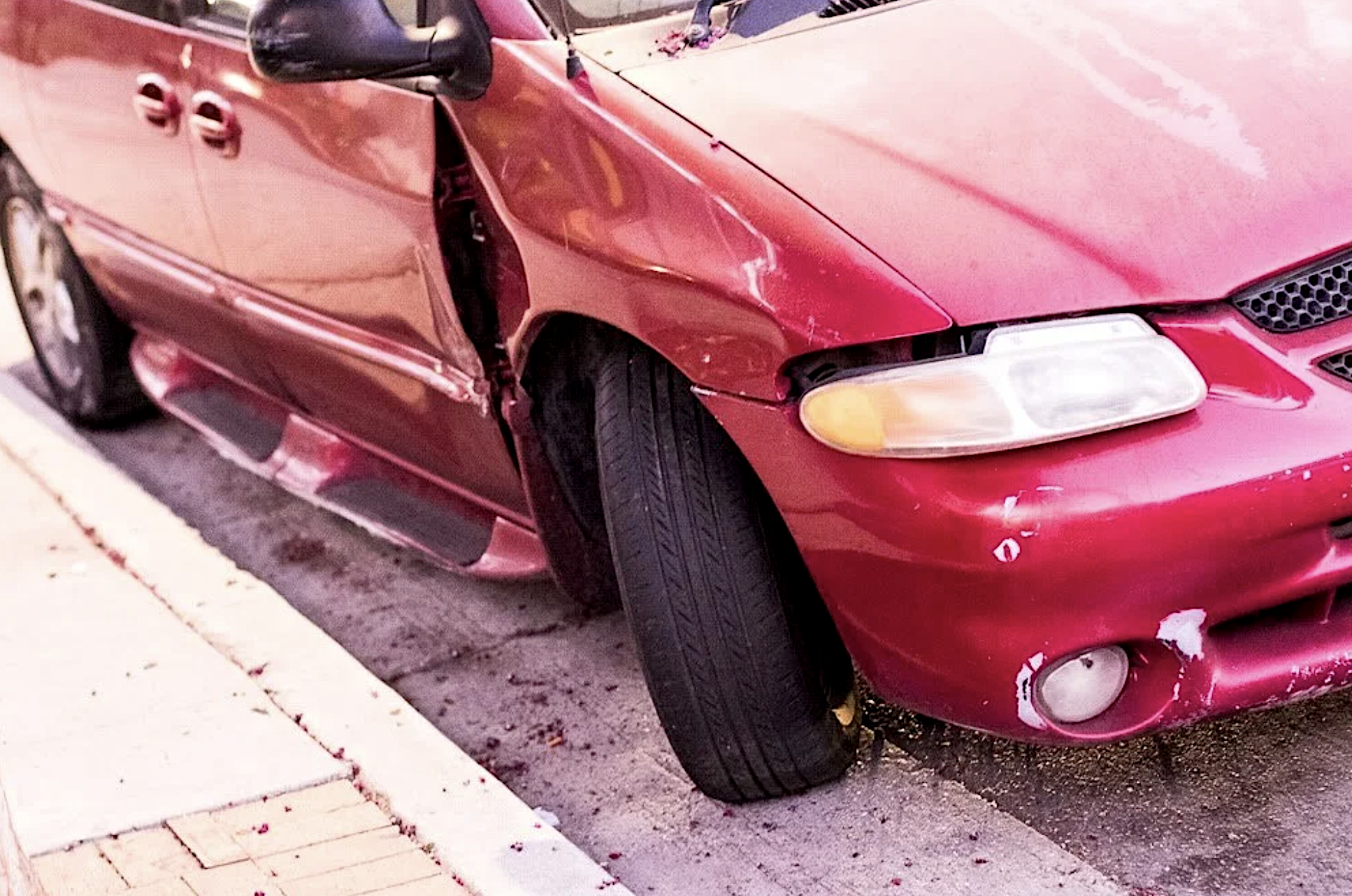
What should I do immediately after a motor vehicle accident in Vermont?
If possible:
Move to a safe location.
Call 911 if anyone is injured or if emergency assistance is needed.
Exchange contact, driver's license, registration, and insurance information with the other driver.
Take photographs of vehicle damage, skid marks, road conditions, and any visible injuries.
Obtain witness names and contact information.
Seek medical attention as soon as possible.
Do not admit fault or speculate about how the accident occurred. Important facts often emerge after a full investigation.
Do I need to call the police after an accident?
If there are injuries, significant property damage, or safety concerns, you should contact law enforcement. A police investigation may provide important evidence for insurance claims and any future legal action.
Should I see a doctor even if I feel fine?
Yes. Many crash-related injuries, including concussions, soft tissue injuries, whiplash, and back injuries, may not produce immediate symptoms. Prompt medical evaluation can protect both your health and your legal claim.
What information should I collect at the accident scene?
Try to obtain:
Names and contact information for all drivers
Insurance information
Vehicle registration information
Photographs and video of the scene
Witness contact information
The investigating officer's name and report information
The more evidence preserved early, the easier it may be to establish what happened.
Should I report the accident to my insurance company?
Generally, yes. Most insurance policies require prompt notice of an accident. Provide accurate facts, but avoid guessing about injuries, damages, or fault.
What if the other driver's insurance company calls me?
You should be cautious. Insurance adjusters may request recorded statements or authorizations that could affect your claim. Before providing a recorded statement to the other driver's insurer, many accident victims choose to consult an attorney.
What compensation may be available after a Vermont car accident?
Depending on the circumstances, compensation may include:
Past and future medical expenses
Lost wages
Loss of future earning capacity
Property damage
Pain and suffering
Emotional distress
Permanent impairment or disability
Loss of enjoyment of life
The value of a claim depends on the specific facts of the case.
What if I was partially at fault for the accident?
Vermont follows a modified comparative negligence rule. You may recover damages as long as your negligence was not greater than the negligence of the defendant or defendants. If you are found partially responsible, your damages will be reduced by your percentage of fault. For example, if you are found 20% at fault, your recovery would generally be reduced by 20%.
Can I recover compensation if I am 50% at fault?
Potentially, yes. Under Vermont law, an injured person may still recover damages when his or her negligence is equal to, but not greater than, the negligence of the other responsible party or parties. However, the recovery would be reduced proportionally.
What happens if the at-fault driver has no insurance?
You may still have options through uninsured or underinsured motorist coverage under your own policy. An attorney can evaluate all available sources of compensation.
How long do I have to file a lawsuit after a Vermont car accident?
In most cases, Vermont's statute of limitations for personal injury claims is three years. Missing that deadline may prevent you from pursuing compensation altogether. Certain exceptions and special rules can apply, especially when governmental entities are involved.
Should I accept the insurance company's settlement offer?
Not until you understand the full extent of your injuries, treatment needs, lost income, and future damages. Once a release is signed, you generally cannot seek additional compensation for the same accident.
Can social media affect my injury claim?
Yes. Insurance companies and defense attorneys often review publicly available social media content. Photos, videos, comments, and posts may be used to challenge claims regarding injuries or limitations.
How much is my Vermont car accident case worth?
Every case is different. Factors that influence value include:
Severity of injuries
Amount of medical expenses
Lost income
Future medical needs
Permanent disability or impairment
Pain and suffering
Available insurance coverage
Strength of the liability evidence
A lawyer can provide a more meaningful evaluation after reviewing the facts and medical records.
Do I need a lawyer after a motor vehicle accident?
While not every accident requires legal representation, consulting an attorney can be especially helpful when:
You suffered significant injuries.
Liability is disputed.
Multiple vehicles are involved.
An insurance company denies liability.
The settlement offer appears inadequate.
Future medical treatment may be necessary.
What mistakes should I avoid after an accident?
Common mistakes include:
Delaying medical treatment
Failing to document injuries and damages
Giving recorded statements without understanding your rights
Posting about the accident on social media
Ignoring medical advice
Accepting an early settlement before the full extent of injuries is known
How much does it cost to hire a Vermont personal injury attorney?
Most Vermont personal injury attorneys handle automobile accident cases on a contingency-fee basis. This means attorney's fees are generally paid only if compensation is recovered on your behalf.

John Brady has many years of litigation and trial experience in state and federal courts. He has tried numerous cases to jury verdict, and countless other cases which have resolved short of verdict, and has been lead counsel on 21 appeals. John has been practicing law since 1991, initially in Boston, Massachusetts and since 1993 primarily in Vermont and New Hampshire.Contact John: jbrady@bradydonahue.com Ph: 802-885-2001 ext. 302