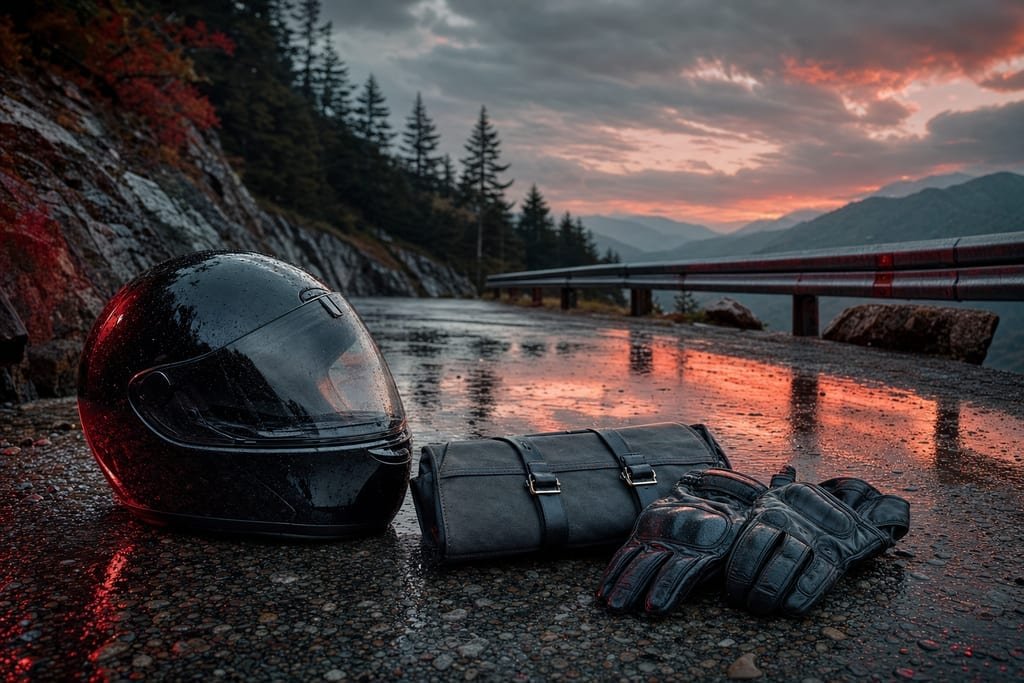
If you are hurt on a motorcycle in Vermont, a motorcycle personal injury lawyer can tell you this right away: insurance companies often treat riders worse than car drivers from the start. Riders tend to get hurt more severely in a crash, and adjusters know it, so they push back harder on these claims, question helmet use, and look for any reason to blame the rider instead of the other driver. Brady Donahue works with injured riders and families across Springfield, White River Junction, Rutland, Bennington, Burlington, and Newport, and offers a free case evaluation to anyone hurt in Vermont or New Hampshire. You can reach the firm at 56 Main Street, Suite 303 in Springfield, Vermont, and talk through what happened before you say anything more to an insurance adjuster.
A Motorcycle Personal Injury Lawyer Who Knows This Area
Vermont courts and New Hampshire courts don't run the same way, and a lawyer who only knows one side can miss deadlines or filing rules that sink a claim. John E. Brady and Brendan P. Donahue have built decades of combined litigation experience handling cases in both states, plus federal court when a claim crosses that line.
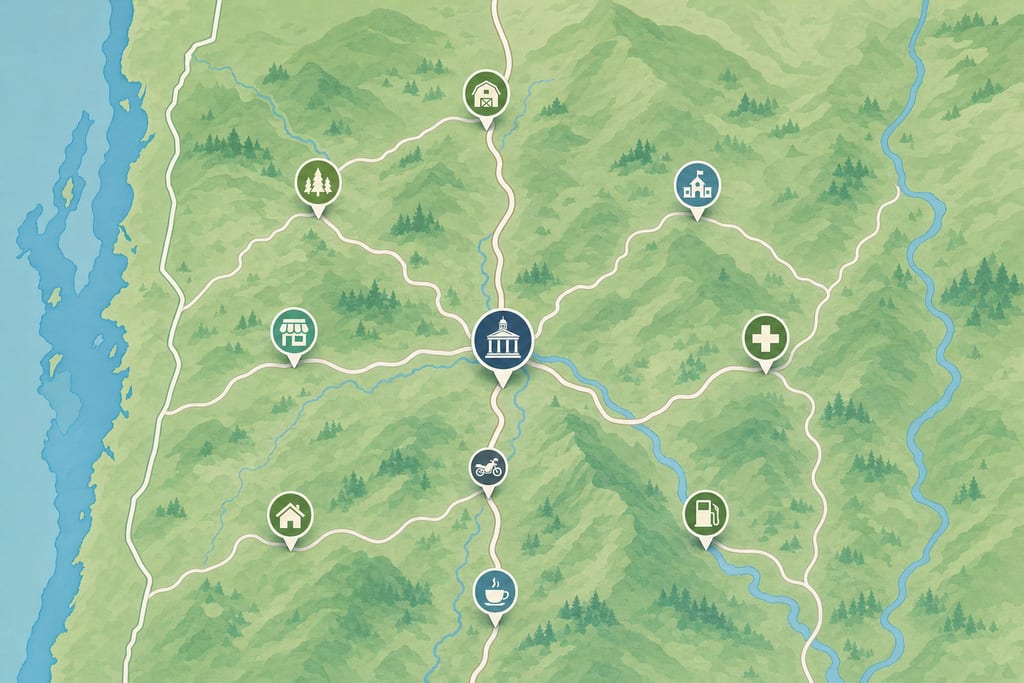
The firm's office sits at 56 Main Street, Suite 303 in Springfield, Vermont, and the attorneys there have represented riders from White River Junction, Rutland, Bennington, Burlington, and Newport. Having worked cases from the insurance company's side as well as the injured person's side, they know the defense playbook before it gets used against a client.
When you're comparing lawyers after a crash, a few questions cut through the noise fast:
- Has the attorney handled motorcycle claims in Vermont courts specifically?
- Do they also practice in New Hampshire, in case the other driver is from out of state?
- Can they explain how insurance adjusters evaluate rider claims differently?
- Is the first case review free, with no obligation attached?
Answers to those questions tell you more than a firm's advertising ever will.
How We Build Your Motorcycle Accident Claim
Every claim starts with a free case evaluation, where the firm reviews police reports, medical records, and any photos from the scene. From there, the investigation looks at road conditions, whether the other driver was negligent, and the extent of damage to the bike itself.
That groundwork supports a few categories of compensation a rider can pursue: medical bills from emergency care and follow-up treatment, lost wages for time away from work, pain and suffering tied to the injury itself, and the cost to repair or replace the motorcycle. When a crash proves fatal, the firm pursues a wrongful death claim on behalf of the family, since Vermont law gives surviving family members a path to recover losses the rider can no longer claim for themselves.
Throughout the process, the attorneys handle all communication with insurance adjusters, which matters because:
- Insurers often call within days looking for a recorded statement
- Early statements can be used to argue the rider was at fault
- A lawyer can respond on the client's behalf instead
- This lets the injured rider focus on medical recovery, not paperwork
That division of labor keeps the client out of conversations designed to work against them.
Why Insurers Treat Riders Differently Than Drivers
Adjusters often start from the assumption that a rider was speeding, lane-splitting, or riding recklessly, even with no evidence to back that up. Helmet use gets questioned too, even though Vermont law doesn't require a helmet for adult riders, which means the absence of one isn't proof of fault.
These assumptions aren't random. Insurers use rider stereotypes to justify lower settlement offers, betting that a rider without a lawyer will accept less rather than fight the characterization.
Countering that bias takes specific work, not just an argument:
- Pulling crash reconstruction data to show actual speed and position
- Bringing in expert testimony on road conditions or vehicle mechanics
- Reviewing witness statements before insurers shape the narrative
- Getting legal representation in place early, before any recorded statement is given
That last point matters most. Once a rider gives a statement without a lawyer present, the insurer can use any offhand comment against the claim later, even something said to sound cooperative.
Before You Sign Anything, Make This Call
If an adjuster has already put a number in front of you, don't sign it or agree to it yet. Call Brady Donahue at 56 Main Street, Suite 303 in Springfield for a free case evaluation first. Riders from White River Junction, Rutland, Bennington, Burlington, and Newport reach out before accepting an offer, not after, because once you sign a release, you can't go back and ask for more if medical costs climb or work stays out of reach longer than expected.
Motorcycle Crash Questions Riders Still Have
Will a lawyer take my case if I have a Vermont license but got hurt in New Hampshire?
Yes. Brady Donahue represents riders across both states, and your license state does not control where you can file a claim. What matters is where the crash happened and where the other driver is from. The firm handles cases in Vermont courts, New Hampshire courts, and federal court when a claim crosses state lines.
What if the insurance company says I was speeding when I wasn't?
An adjuster's opinion is not proof. Speed claims without crash reconstruction data, witness statements, or physical evidence are just a starting offer meant to lower your payout. Ask the adjuster what evidence backs up the speeding claim, and get a lawyer reviewing the file before you respond to any accusation in writing or on a recorded call.
How long do I have to file a motorcycle accident claim in Vermont?
Vermont sets a strict filing deadline for personal injury claims, and missing it closes the door on compensation no matter how strong your case is. Evidence like skid marks, witness memory, and vehicle damage also fades fast. Calling a lawyer soon after the crash protects both your legal deadline and the proof your claim depends on.